
Innovation for Cool Earth Forum (ICEF) is a platform of wisdom for discussing among industry-academia-government leaders around the world in order to promote “INNOVATION”, the key to solving global warming.
Since 2014, the ICEF Annual Meeting has been held by the Government of Japan's Ministry of Economy, Trade and Industry (METI) and New Energy and Industrial Technology Development Organization (NEDO), and celebrated its 10th anniversary in 2023.
Distinguished experts from industry, academia and governments are gathered to engage in lively discussions and explore innovation-based solutions to address climate change, the most pressing challenge facing the 21st Century.
ICEF hopes to share the latest knowledge with the world, increase public awareness of the threat of climate change, and to facilitate a change in behaviour. ICEF is taking into consideration gender equality and youth engagement based on the awareness that diversity is the origin of innovation.
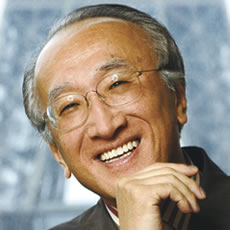
Chair, ICEF Steering Committee;
Former Executive Director, International Energy Agency (IEA);
CEO, Tanaka Global, Inc.
(Japan)
Chair, ICEF Steering Committee;
Former Executive Director, International Energy Agency (IEA);
CEO, Tanaka Global, Inc.
Japan
Executive Director Emeritus, The International Energy Agency (IEA)
Nobuo Tanaka is Chairman of the steering committee of the Innovation for Cool Earth Forum (ICEF), which was established by former Prime Minister Shinzo Abe in 2014. As Executive Director of the International Energy Agency (IEA) from 2007 to 2011, he initiated a collective release of oil stocks in June 2011. He began his career in 1973 in the Ministry of Economy, Trade and Industry (METI), and has served in a number of high-ranking positions, including Director- General of the Multilateral Trade System Department. He was deeply engaged in bilateral trade issues with the US as Minister for Industry, Trade and Energy at the Embassy of Japan, Washington DC. He has also served twice as Director for Science, Technology and Industry (DSTI) of the Parisbased international organization, OECD. As CEO of Tanaka Global Inc, he advises several Japanese and International companies.
Order of Sacred Treasure, Gold and Silver Star, 瑞宝重光章 (2021)
Al Attiyah International Energy Award
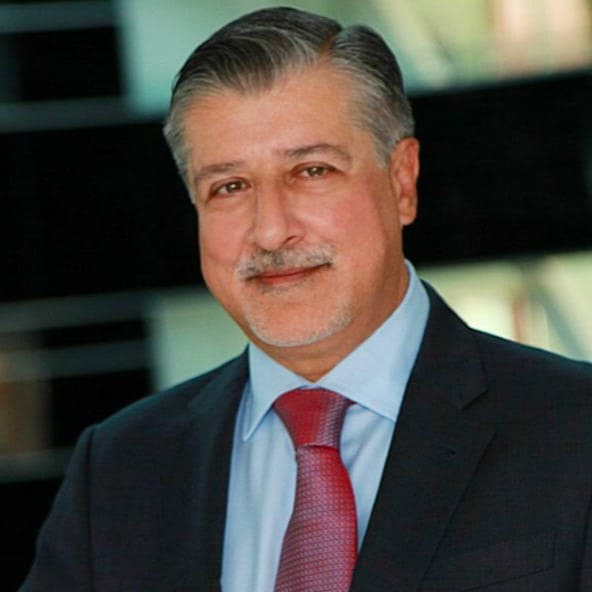
Senior Research Fellow, Belfer Center
for Science and International Affairs,
Harvard University’s Kennedy School
of Government;
Director General Emeritus, IRENA;
Senior Adviser to COP 28 President
(Kenya)
ICEF Steering Committee;
Director General Emeritus IRENA;
Senior Adviser to COP 28 President
Kenya
Adnan Z. Amin is an experienced international official and development economist specializing in sustainable development with over 30 years of experience in senior positions at the United Nations and as the Founding Director General of The International Renewable Energy Agency (IRENA).
Mr. Amin served as the CEO of COP28 of the UNFCCC which was is under the Presidency of the UAE. In this capacity he oversaw and managed the policy and operational aspects of COP28 in support of the COP28 President and directly led the political negotiation process the resulted in the adoption of the historic “UAE Consensus” containing pathbreaking agreements to transition away from fossil fuels and achieve a 1.5 degree aligned pathway.
In May, 2025 Mr. Amin was appointed as a Special Envoy of the President of COP30 with special emphasis on the Middle East.
Mr. Amin has served as a Senior Research Fellow at the Belfer Center for Science and International Affairs of Harvard University’s Kennedy School of Government. There, he specialized in the “Geopolitics of the Energy Transition”. He was appointed by the Secretary General of the United Nations as a member of his High-Level Advisory Group on Climate Change in September 2020, and is also serving on several Advisory Boards both in the private sector and within academia.
Mr. Amin led a distinguished career serving the United Nations. He served as Head of the UN System Chief Executives Board for Coordination (CEB) Secretariat, the UN Secretary-General’s policy coordination body comprising the Executive Heads of the UN System. Mr. Amin also led the Secretariat for the UN Secretary-General’s High-level Panel on UN System-Wide Coherence, which resulted in an ambitious reform programme implemented under the framework of “One UN” and “Delivering as One”.
Mr. Amin was also the Director of the United Nations Environment Programme’s (UNEP) New York Office and led the Secretariat supporting the Intergovernmental review of International Environmental Governance established to review and streamline the proliferation of institutional frameworks within the United Nations. Mr. Amin also served as a Trustee and Member of the Board of Directors of the Cambridge, UK based World Conservation Monitoring Centre, considered one of the premier biodiversity information institutions in the world.
In 2011, Mr. Amin was elected and served as the first ever Director General of the International Renewable Energy Agency (IRENA). Elected for an initial four-years term, Mr. Amin was re-appointed unanimously by the Assembly for a second term in 2015. During his tenure, IRENA became the authoritative voice of renewable energy and a leading player in the global energy transition. The Agency’s membership increased three-fold and now accounts for over 160 State Members with 24 additional countries in the process of accession, a remarkable achievement in the annals of multilateralism. After his second term he was granted the honorary title of Director General Emeritus by the 2019 IRENA Assembly, in recognition of his leadership and outstanding service to the Agency.
Mr. Amin oversaw the development of IRENA’s operations and programmatic work, directing the growth of the Agency’s knowledge framework, country support and regional engagement. IRENA’s efforts played a key role in showcasing the centrality of renewables to powering sustainable economic growth, creating jobs while meeting climate and sustainable development objectives.
Mr. Amin also propelled IRENA on the global stage. Today, the Agency is a regular contributor to, and a sought-after partner for, global and multilateral Organizations such as the United Nations, G7 and G20, as well as international forums such as the Clean Energy Ministerial, the Berlin Energy Transition Dialogue and The Suzhou International Forum on Energy Transitions, among others.
During his tenure, IRENA actively engaged with a wide range of stakeholders, including parliamentarians, the private sector and civil society to create an inclusive global platform for cooperation. At his initiative, the Global Commission on the Geopolitics of Energy Transformation was established in 2018, and delivered in 2019 a ground-breaking report which outlines the implications of a large-scale shift to renewable energy on the global energy system, economies and relations within and between countries.
After his tenure at IRENA, Mr. Amin has served on a number of important initiatives including:
Mr. Amin also serves on a number of Advisory Boards within the private sector including Shell New Energy, Porsche Sustainability Advisory Board and Arctic Green Energy.
Geopolitics of the Energy Transition

Professor, Energy Science and
Engineering, Stanford University;
Deputy Director for Energy and Chief
Strategist for the Energy Transition,
White House Office of Science and
Technology Policy
(United States of America)
ICEF Steering Committee;
Professor, Energy Science and Engineering, Stanford University;
Deputy Director for Energy and Chief Strategist for the Energy Transition,
White House Office of Science and Technology Policy
United States of America
1977 to 2007: Various positions at Lawrence Berkeley National Laboratory
2007 to present: Professor at Stanford University
1996 DOE Certificate of Appreciation awarded for leading development of the Natural and Accelerated Bioremediation Research Program Plan
2007 Contributed to the reports of the IPCC that received the Nobel Peace Prize for “for their efforts to build up and disseminate greater knowledge about man-made climate change, and to lay the foundations for the measures that are needed to counteract such change.”
2009 Michel T. Halbouty Distinguished Lecture Award, Geological Society of America
2009 ARCS 2009 American Pacesetter Award
2011 Alberta Innovates Lecturer of 2011
2009 – 2011 Stanford Fellow
2012 Greenman Award, IEA Greenhouse Gas Program
2015 Honorary Doctorate Degree, Smith College, Massachusetts
2015 Roslyn Silver’27 Science Lectureship, Barnard College
2017 Distinguished CCS Lecture Tour, Peter Cook Centre, University of Melbourne, Australia
2018 Columbia University Arthur D. Storke Lecturer
2019 Society of Petroleum Engineers International Award, Health, Safety, and Environment
2023 Elected to the American Academy of Arts and Sciences
Energy transition, carbon capture and storage, energy systems analysis
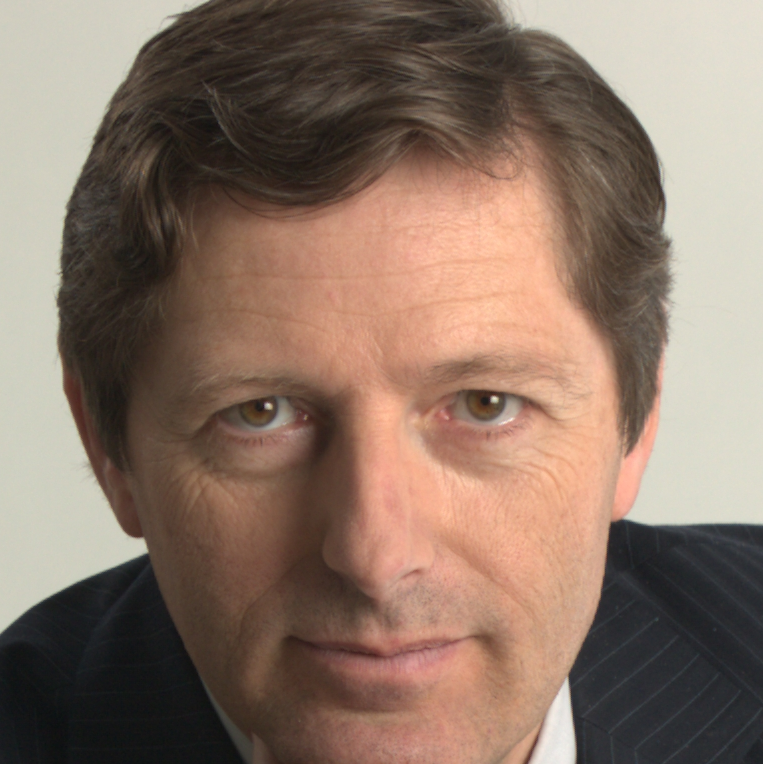
Retired Chair of Energy Systems, Faculty of Process Engineering, Berlin University of Technology;
President of the Board, KSB Energie AG, Berlin
(Germany)
ICEF Steering Committee;
Retired Chair of Energy Systems, Faculty of Process Engineering, Berlin University of Technology;
President of the Board, KSB Energie AG, Berlin
Germany
1995-2018 Professor for Energy Systems at the Institute for Energy Technology, Berlin University of Technology
1982-1995 Post doc researcher and Assistant professor at the Center for Economic Research, Swiss Federal Institute of Technology, Zürich (ETHZ)
1993-1995 Delegate at the Paul Scherer Institute, Villigen (Switzerland) in the group of Prof. Dr. Alexander Wokaun.
1976-1982 Appointment as PhD researcher at the University Muenster/Germany
Energy Systems and Markets, Energy policy, Economics of innovations, evolutionary economics

Delegate of the Consultative
Commission for Industrial Change
European Economic and Social Committee
(Finland/Belgium)
ICEF Steering Committee;
Delegate of the Consultative Commission for Industrial Change European Economic and Social Committee
Finland
Belgium
PhD in Environmental Politics
Delegate of the Consultative Commission on Industrial Change at European Economic and Social Committee 2016-
Member of the Helsinki City Council 2025-
Member of the European Parliament 1999-2014, 2024
Board member of Finnish Forest Administration, Metsähallitus
– Annual MEP Award of the European Parliament 2009 (Energy)
– Eija-Riitta Korhola (2014): The Rise and Fall of the Kyoto Protocol – Climate Change as a Political Process, Helsinki University
– Eija-Riitta Korhola: The joys and frustrations of an environmental law-maker, European View 2019
– K.Akimoto, J.Arima, M.Babiker, M.Caine, D.Hobbs, E.Korhola, A.Sieminski, N.Stehr, H.Tezuka,
M.Toyoda, M.Williams (2019) Finding a viable path to reducing greenhouse gas emissions, KAPSARC – Prins, G., Cook, M., Green, C., Hulme, M., Korhola, A., Korhola, E-R., Pielke Jr, R., Rayner, S.,
Sawa, A., Sarewitz, D., Stehr, N., & von Storch, H. (2009). How to Get Climate Policy Back on
Course. LSE Mackinder Programme.
Emissions Trading, Energy transfer, Climate politics

Principal Research Scientist at the Center for Radical Transformation, Chiba Institute of Technology;
Senior Visiting Scientist, RIKEN Center for Integrative Medical Sciences (IMS) ;
Professor Emeritus, The University of Tokyo;
(Japan)
ICEF Steering Committee;
Principal Research Scientist at the Center for Radical Transformation, Chiba Institute of Technology;
Senior Visiting Scientist, RIKEN Center for Integrative Medical Sciences (IMS) ;
Professor Emeritus, The University of Tokyo;
Japan
1975 Ph.D. in Chemistry, The University of Tokyo.
1975 – 81: Research Associate, Dept. Chemistry, King’s College, London, U.K.
1981 – 85: Research Fellow/Honorary Lecturer, Dept.Biophysics, ibid.
1985 – 86: Senior Staff Scientist, Institute of Cancer Research, Sutton, U.K. / Visiting Lecturer, King’s College London.
1986 – 92: Associate Professor, Dept. Chemistry, College of Arts and Sciences/ Dept. Biophysics and Biochemistry, Graduate School of Sciences, The University of Tokyo.
1992 – 2012 Professor, Department of Life Sciences, Graduate School of Arts and Sciences/ Dept.
Biochemistry, Graduate School of Sciences, The University of Tokyo.
2003 – 07: Executive Advisor to the President, The University of Tokyo.
2007 – 11: Member of the Administrative Council, The University of Tokyo
2007 – 10: Head of the Science Interpreter Training Programme, The University of Tokyo (supported by JST).
2010- 12: Head of the Science Interpreter Training Programme, Komaba Organization for Educational Excellence, The University of Tokyo
2012 – 2019 Professor, Research Inst. Science & Technology, Tokyo Univ. of Science.
2019 – 2024 Designated Professor, Frontier Research Institute, Chubu University
2024 – 2026 Distinguished Professor, Chubu University
2026 – current Principal Research Scientist at the Center for Radical Transformation, Chiba Institute of Technology
Adjunctive and ex-Council Member of Science Council of Japan
Foreign Member of the Royal Swedish Academy of Science, Sweden
TWAS (the World Academy of Science), Fellow
ISC(International Science Council), Fellow
INGSA-Asia(International Network for Science Advice),Board member
The Club of Rome, Full ember
Saruhashi Prize (1993),
Nissan Science Prize (1994),
Molecular Chirality Award (2003),
Yamazaki-Teiichi Prize (2004),
Honorary Professor of University of Sichuan, China (2006);
Honorary Doctorate, Chalmers University of Technology, Sweden (2009);
Prizes for Science and Technology, The Commendation for Science and Technology by the Minister
of Education, Culture, Sports, Science and Technology (2009).
L’Oreal-UNESCO Women in Science Award 2013.
Mukai Prize (2014),
Prime Minister’s Commendation for Efforts toward the Formation of a Gender-Equal Society (2014).
Academia Prize, The Academic Society of Japan (2015)
340 peer-reviewed publications in Chemistry and Biology, including Nature, Scientific Reports,
Angewandte Chemie, Journal of American Chemical Society.
Chemistry/Molecular and Developmental Biology, Science Communication, Science Policy,
Gender Issues
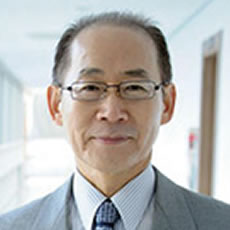
Former Chair of the Intergovernmental
Panel on Climate Change (IPCC);
President, Carbon Free Alliance
(Korea)
ICEF Steering Committee;
Former Chair of the Intergovernmental Panel on Climate Change (IPCC);
President, Carbon Free Alliance
Korea
A globally recognized climate energy economist and former Chair of the Intergovernmental Panel on Climate Change (IPCC), Dr. Hoesung Lee served from 2015 to 2023, leading over 1,000 scientists worldwide in the production of the IPCC Sixth Assessment Report. Under his leadership, the IPCC’s findings laid the scientific foundation for the Paris Agreement’s first global stocktake and influenced over 140 national carbon neutrality commitments. He is currently president of the Carbon Free Alliance. Dr. Lee has been named to TIME’s 100 Most Influential People and Bloomberg’s 50 global leaders.
<Leadership Roles>
– Chair, Intergovernmental Panel on Climate Change (2015-2023)
– Vice-Chair, IPCC (2008-2015) and Co-Chair, IPCC Working Group III (1992-1996)
– Chair, Asia Development Bank Advisory Board on Climate Change and Sustainable Development (2014-2023)
– President, International Association for Energy Economics (1999)
– President, Korea Energy Economics Institute (1986-1995)
– President, Carbon Free Alliance since 2023
– Special Ambassador for Carbon Free Energy since 2023
<Academic and Professional Appointments>
– Distinguished Fellow, Institute of Energy Economics Japan since 2023
– Distinguished Professor, Korea University Graduate School of Energy and Environment (2010-2022)
– Member, Steering Committee, Innovation for Cool Earth Forum Japan since 2014
– Member, Council, Global Green Growth Institute (2014-2018)
– Member, Board of Directors, Hyundai Corporation (1993-1999)
<Selected Impact Achievements>
– Led the production and release of IPCC Sixth Assessment Report (AR6), providing the key scientific basis for global climate action
– Guided the approval and adoption of IPCC Special Report on Global Warming of 1.5°C (2018), catalyzing global carbon neutrality pledges
– Provided scientific underpinnings for the global stocktake under the Paris Agreement (2023)
– TIME 100 Most Influential People in the World (2019)
– Energy Economist of the Year for 2024 by the Energy Intelligence Forum
– Bloomberg 50: Leaders Defining Global Business in 2021
– Outstanding Contribution to the Profession Award 2021 IAEE
– Korea National Order of Civil Merit – Dongbaek Medal (2023)
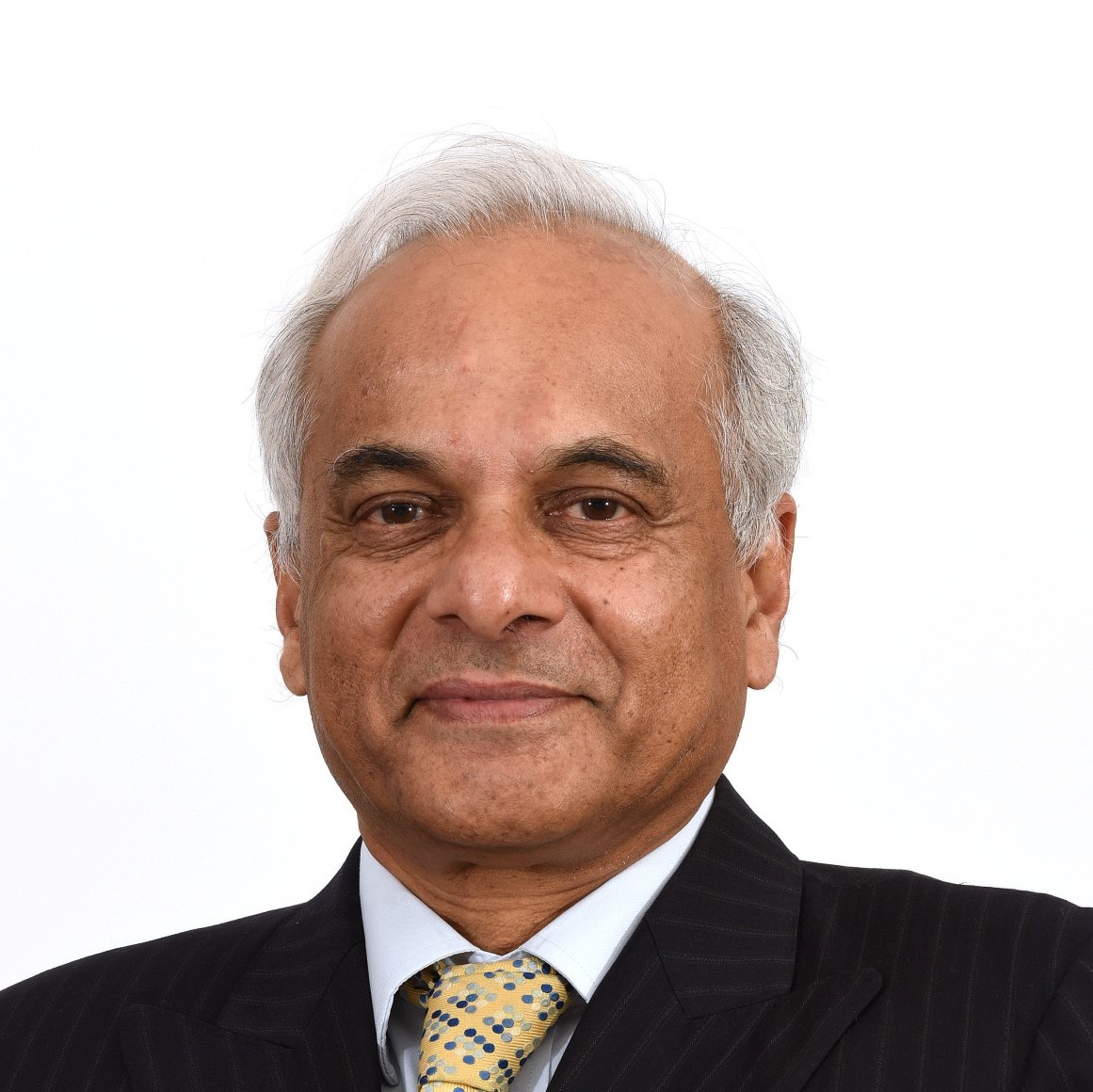
Chairman, Center for Social and Economic
Progress (CSEP) Research Foundation
(India)
ICEF Steering Committee;
Chairman, Center for Social and Economic Progress (CSEP) Research Foundation
India
Vikram Singh Mehta is currently Chairman of the Think Tank CSEP Research Foundation (Formerly Brookings Institution India Center). Vikram was Executive Chairman of the Think Tank, Brookings Institution India Center and Senior Fellow, Brookings Institution from 2012 to 2020. Prior to that he was Chairman of the Shell Group of Companies in India (1994 – 2012); Chief executive of Shell Markets and Shell Chemicals, Egypt (1992-1993). And Advisor, Strategic Planning to the State owned company, Oil India (1984-1988). He started his career by joining the Indian Administrative Service in 1978. He resigned from the service in 1980. Vikram is non executive Chairman of Indigo Airlines and Mahindra Electric Automotive Company and an independent, non-executive, director of Global Health ltd and Jubilant Foods. He is also on the Global Advisory Board of Macro Advisory partners; and PMB Capital
Vikram was recipient of Asia House’s Businessmen of the year” award for 2010. He also received Asia Centre for Corporate Governance and Sustainability’s Award for “Best Independent Director “in India for 2016.”
Vikram is editor of the books “ The Next Stop: Natural Gas and India’s journey towards a Clean Energy Future “. And “ Anchoring Change : 75 years of Grassroots interventions that made a difference “ . Both books were published by Harper Collins .
Deputy Chairperson of the Presidential Climate Change Commission;
Former President, International Union for
Conservation of Nature and Natural Resources (IUCN)
(South Africa)
ICEF Steering Committee;
Deputy Chairperson of the Presidential Climate Change Commission;
Former President, International Union for Conservation of Nature and Natural Resources (IUCN)
South Africa
Valli Moosa was born in Johannesburg, South Africa. He is a veteran of the South African Freedom struggle. He worked closely with Nelson Mandela during the settlement talks and served as a negotiator for the ANC. He participated in the drafting of the South African Constitution. He served in President Mandela’s cabinet as Minister of Constitutional Development and in President Mbeki’s government as Environment Minister. He joined the corporate sector in 2004 and currently serves on the board of Sappi Ltd. He has served on the boards of Anglo Platinum, Eskom and Sanlam. Has served as a facilitator in the global climate change negotiation’s for a number of years. He previously served as President of the IUCN (International Union for the Conservation of Nature), Chairman of the UN Commission on Sustainable Development and as the Chairman of WWF(SA). He is the Deputy Chairperson of the Presidential Climate Change Commission, chaired by President Ramaphosa.
Vice Chair of the Group of Chief Scientific Advisors (GCSA) to the European Commission;
Honorary and Emeritus Scholar, International Institute for Applied Systems Analysis (IIASA);
Emeritus Professor of Energy Economics, Vienna University of Technology (TU Wien)
(Austria/Serbia)
ICEF Steering Committee;
Vice Chair of the Group of Chief Scientific Advisors (GCSA) to the European Commission;
Honorary and Emeritus Scholar, International Institute for Applied Systems Analysis (IIASA);
Emeritus Professor of Energy Economics, Vienna University of Technology (TU Wien)
Austria
Serbia
Nebojsa Nakicenovic is the Deputy Chair of the Group of Chief Scientific Advisors to the European Commission, Distinguished Emeritus and Honorary Scholar, and was the Deputy Director General and Acting Director General of the International Institute for Applies Systems Analyses IIASA), and a tenured Professor of Energy Economics at Vienna Technology University.
Among other positions, he is the Director of The World In 2050 (www.TWI2050.org), Fellow of the World Academy of Art and Science, of International Science Council, and of the Luohan Academy, he is a Member of the Academia Europaea, the Montenegrin Academy of Arts and Sciences, the Earth League, the Earth Commission, the Multi-stakeholder Technical Group of Sustainable Development Goal 7, Scientific Advisory Boards of the Potsdam Institute for Climate Impact Research, Fondazione Eni Enrico Mattei, and Steering Committee of the Renewable Energy Policy Network for the 21st Century. He serves on the Editorial Boards of ten peer-reviewed scientific journals.
Dr. Nakicenovic’s research interests include patterns of technological change including the evolution of energy, mobility, digital technologies, economic development, and climate change. Dr. Nakicenovic holds bachelor and master degrees in economics and computer science from Princeton University and the University of Vienna, where he also completed his Ph.D., and holds Honoris Causa Ph.D. degree in engineering from the Russian Academy of Sciences.
Google Scholar documents list of 838 publications by Dr. Nebojsa Nakicenovic with some 66 thousand citations.
Dr. Nakicenovic is a recipient of the Austrian Grand Decoration in Silver (Österreichisches Ehrenzeichen für Wissenschaft und Kunst); with a number of scientists of the 2007 Nobel Peace Prize for the research contribution to the IPCC (Intergovernmental Panel on Climate Change); and with a number of scientists of the 2005 Sheikh Zayed (former UAE President) Environmental Award for the research contribution to the Millennium Ecosystem Assessment under the personal leadership of Kofi Annan, UN Secretary-General.
He is Fellow of the World Academy of Art and Science, of the International Science Council, and Luohan Academy, and Member of the Academia Europaea Academia Europaea, Montenegrin Academy of Sciences and Arts, and the International Academy for Systems and Cybernetic Sciences (IASCYS)
Dynamics of technological change including the evolution of energy, mobility, digital technologies;
economic development, and climate and environmental change.
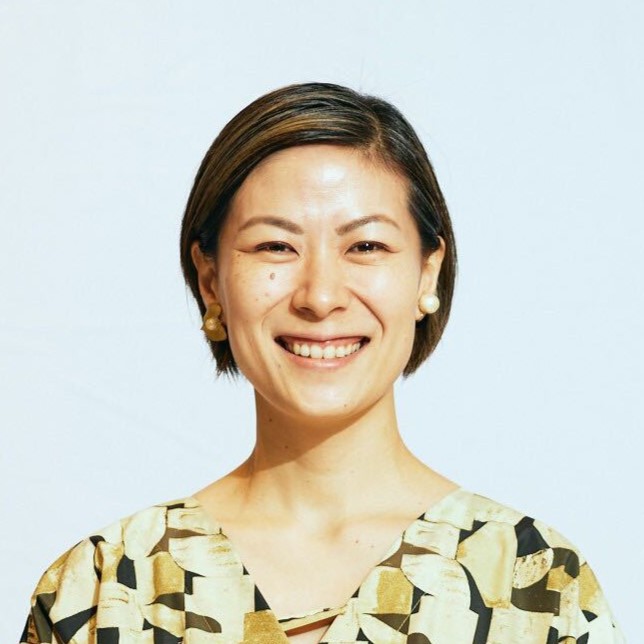
Representative Director, Zero Waste Japan;
Co-Founder, Green innovation;
Director & CSO, ECOMMIT Co.,Ltd.
(Japan)
ICEF Steering Committee;
Representative Director, Zero Waste Japan
Co-Founder, Green innovation
Director & CSO, ECOMMIT Co.,Ltd.
Japan
2015-2020: Chair of the Board of Directors, Zero Waste Academy, Japan – served to spread the zero waste community building concepts all over the world and showcased how a small town could be a model of change to the world.
Since 2020, founded Zero Waste Japan – delivers planning and implementation of zero waste policy and projects to local governments, communities and businesses in Japan and elsewhere.
Co-Founded Green innovation in 2021 to develop more than 1,000 “green innovators” to tackle climate change by 2030. Delivering “Green Innovator Academy” where educating students and young professionals to foster Green innovators to deliver Green transformation.
Joined ECOMMIT Co.,Ltd. in 2023 as Director & Chief Sustainability Officer to contribute in building circular economy from business field.
Global Shaper, World Economic Forum 2012 to 2020.
Co-Chair of the World Economic Forum Annual Meeting 2019.
World Economic Forum Future Council on Japan (2020).
World Economic Forum Global Shapers Community Foundations Board (2020-2021).
Master, Kyoto University Graduate School of Global Environmental Studies.
Nikkei Women of the Year 2022
Zero Waste and Circular Economy policy implementation
Community-based policy making
Cross-sectoral multi-stakeholder policy making
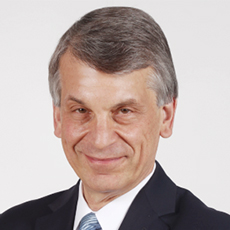
Inaugural Fellow, Center on Global Energy Policy,
Columbia University;
Co-Director, Energy and
Environment Concentration,
School of International and Public Affairs,
Columbia University
(United States of America)
ICEF Steering Committee;
Inaugural Fellow, Center on Global Energy Policy, Columbia University;
Co-Director, Energy and Environment Concentration, School of International and Public Affairs, Columbia University
United States of America
David Sandalow is the Inaugural Fellow at the Center on Global Energy Policy (CGEP) and Co- Director of the Energy and Environment Concentration at the School of International and Public Affairs at Columbia University. He launched and directs CGEP’s U.S.-China Program and wrote the Guide to Chinese Climate Policy. Mr. Sandalow chairs the ICEF Innovation Roadmap Project, which has produced roadmaps on artificial intelligence and climate mitigation, low-carbon ammonia, biomass carbon removal and storage (BiCRS), industrial decarbonization and direct air capture, among other topics. He and a team of co-authors are currently at work on an ICEF roadmap on sustainable data centers. Mr. Sandalow has served in senior positions at the White House, State Department and U.S. Department of Energy.
energy and climate policy
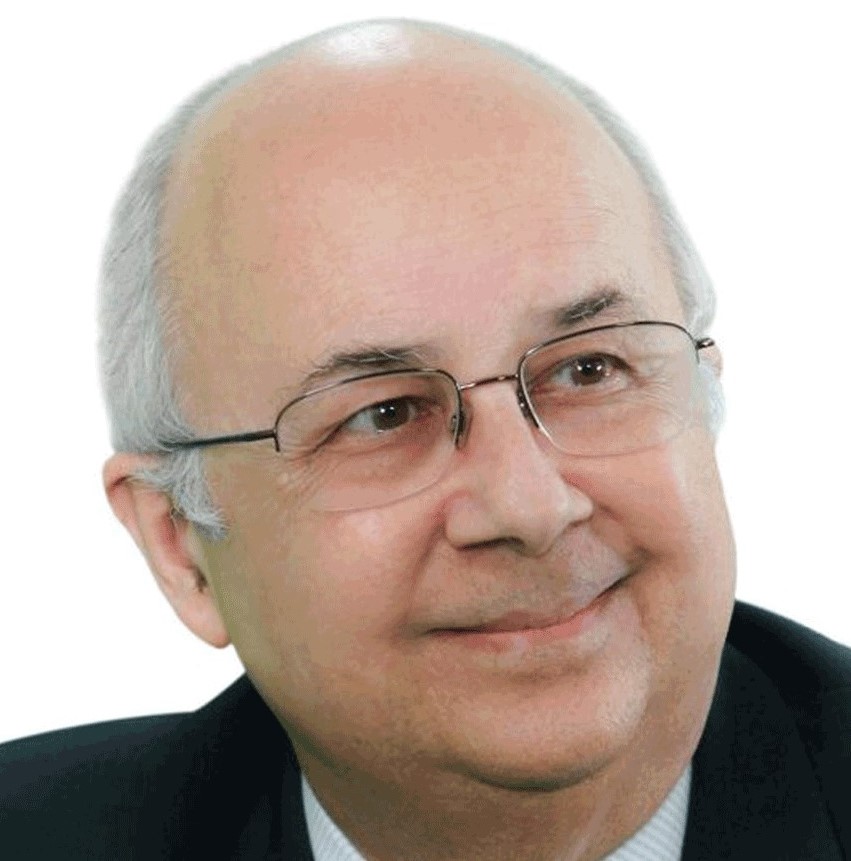
Co-Chair of the Board of Nizami Ganjavi International Center (NGIC);
Emeritus Librarian of Alexandria;
Former VP of the World Bank
(Egypt)
ICEF Steering Committee;
Co-Chair of the Board of Nizami Ganjavi International Center (NGIC);
Emeritus Librarian of Alexandria;
Former VP of the World Bank
Egypt
Co-Chair of the Board of Nizami Ganjavi International Center (NGIC), Emeritus Librarian of Alexandria, Former VP of the World Bank
Ismail Serageldin is the Emeritus Librarian of Alexandria, and was the Founding Director of the Bibliotheca Alexandrina, the New Library of Alexandria in Egypt (2001 – 2017).
Before that he was the Vice-President of the World Bank (1993-2000).
He has received many awards including the Order of the Rising Sun of Japan. He is a knight of the French Legion d’Honneur and a Commander of Arts and Letters of the French
Republic. He has lectured widely, published more than 100 books and 500 articles, and has received 40 honorary doctorates from all over the world.

ICEF Steering Committee;
Distinguished Professor Emeritus, University of Manitoba
Canada
University professor
Author of 50 books
Consultant
Fellow of the Royal Society (Science Academy) of Canada
Member of the Order of Canada
50 books on energy, environment, history of technical advances, food and innovation
500 papers
interdisciplinary energy studies
history of energy development
biosphere and global biogeochemical cycles
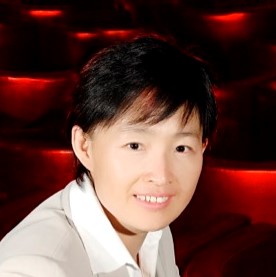
China /Asia Director, Office of Jeremy Rifkin;
Chair, Governing Council, Asia Pacific Water Forum
(United States of America/China)
ICEF Steering Committee;
China /Asia Director, Office of Jeremy Rifkin;
Chair, Governing Council, Asia Pacific Water Forum
United States of America
China
Positions Formerly Held:
Greater China Director and Chair of the China Board, The Climate Group
China CEO, ENSR
Director, China Studies, World Resources Institute
Editor, English Edition, China Environment News
Advisory Positions Formerly Held:
President and Chair, and co-founder, Professional Association for China’s Environment/PACE
Member, Global Future Council of Energy, World Economic Forum
Chair, Global Agenda Council on Climate Change, World Economic Forum
Member, Global Agenda Council of Global Governance for Sustainable Development, World
Economic Forum
Founder and Executive Secretary, the Climate Fund, All-China Returned Overseas Chinese
Philanthropy Fund
Founder and Executive Director, the Million Forest Fund, China Greening Foundation
Women Leader(s): 2019, Time – 15 global women leaders to fight climate change
Areas of expertise
A specialist and policy analyst of China’s sustainability
An advisor to governments and corporations on sustainability strategy and innovation
A strategist of public and private engagement for clean energy transformation and climate solutions
An advocate for policy change and practice leadership
A public voice for positive changes and innovation
A current affairs and policy commentator on China’s clean transition
A social entrepreneur and innovator for sustainability
An award winner for her contributions to China’s decarbonization
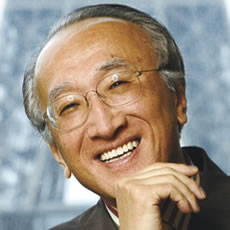
Chair, ICEF Steering Committee;
Former Executive Director, International Energy Agency (IEA);
CEO, Tanaka Global, Inc.
Japan
Executive Director Emeritus, The International Energy Agency (IEA)
Nobuo Tanaka is Chairman of the steering committee of the Innovation for Cool Earth Forum (ICEF), which was established by former Prime Minister Shinzo Abe in 2014. As Executive Director of the International Energy Agency (IEA) from 2007 to 2011, he initiated a collective release of oil stocks in June 2011. He began his career in 1973 in the Ministry of Economy, Trade and Industry (METI), and has served in a number of high-ranking positions, including Director- General of the Multilateral Trade System Department. He was deeply engaged in bilateral trade issues with the US as Minister for Industry, Trade and Energy at the Embassy of Japan, Washington DC. He has also served twice as Director for Science, Technology and Industry (DSTI) of the Parisbased international organization, OECD. As CEO of Tanaka Global Inc, he advises several Japanese and International companies.
Order of Sacred Treasure, Gold and Silver Star, 瑞宝重光章 (2021)
Al Attiyah International Energy Award
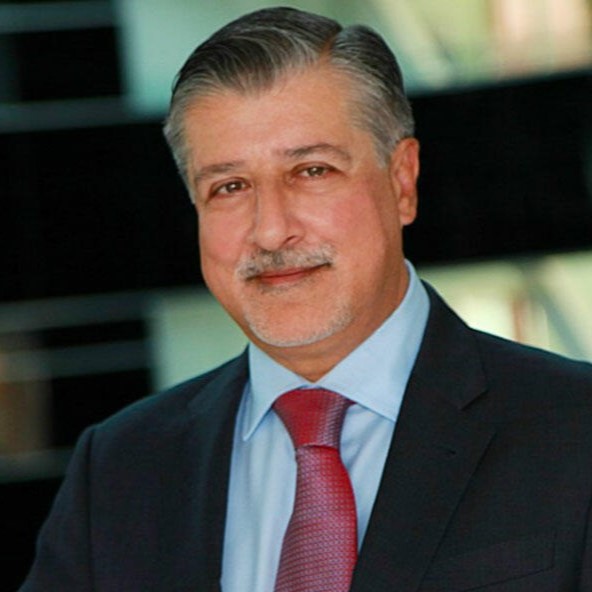
ICEF Steering Committee;
Director General Emeritus IRENA;
Senior Adviser to COP 28 President
Kenya
Adnan Z. Amin is an experienced international official and development economist specializing in sustainable development with over 30 years of experience in senior positions at the United Nations and as the Founding Director General of The International Renewable Energy Agency (IRENA).
Mr. Amin served as the CEO of COP28 of the UNFCCC which was is under the Presidency of the UAE. In this capacity he oversaw and managed the policy and operational aspects of COP28 in support of the COP28 President and directly led the political negotiation process the resulted in the adoption of the historic “UAE Consensus” containing pathbreaking agreements to transition away from fossil fuels and achieve a 1.5 degree aligned pathway.
In May, 2025 Mr. Amin was appointed as a Special Envoy of the President of COP30 with special emphasis on the Middle East.
Mr. Amin has served as a Senior Research Fellow at the Belfer Center for Science and International Affairs of Harvard University’s Kennedy School of Government. There, he specialized in the “Geopolitics of the Energy Transition”. He was appointed by the Secretary General of the United Nations as a member of his High-Level Advisory Group on Climate Change in September 2020, and is also serving on several Advisory Boards both in the private sector and within academia.
Mr. Amin led a distinguished career serving the United Nations. He served as Head of the UN System Chief Executives Board for Coordination (CEB) Secretariat, the UN Secretary-General’s policy coordination body comprising the Executive Heads of the UN System. Mr. Amin also led the Secretariat for the UN Secretary-General’s High-level Panel on UN System-Wide Coherence, which resulted in an ambitious reform programme implemented under the framework of “One UN” and “Delivering as One”.
Mr. Amin was also the Director of the United Nations Environment Programme’s (UNEP) New York Office and led the Secretariat supporting the Intergovernmental review of International Environmental Governance established to review and streamline the proliferation of institutional frameworks within the United Nations. Mr. Amin also served as a Trustee and Member of the Board of Directors of the Cambridge, UK based World Conservation Monitoring Centre, considered one of the premier biodiversity information institutions in the world.
In 2011, Mr. Amin was elected and served as the first ever Director General of the International Renewable Energy Agency (IRENA). Elected for an initial four-years term, Mr. Amin was re-appointed unanimously by the Assembly for a second term in 2015. During his tenure, IRENA became the authoritative voice of renewable energy and a leading player in the global energy transition. The Agency’s membership increased three-fold and now accounts for over 160 State Members with 24 additional countries in the process of accession, a remarkable achievement in the annals of multilateralism. After his second term he was granted the honorary title of Director General Emeritus by the 2019 IRENA Assembly, in recognition of his leadership and outstanding service to the Agency.
Mr. Amin oversaw the development of IRENA’s operations and programmatic work, directing the growth of the Agency’s knowledge framework, country support and regional engagement. IRENA’s efforts played a key role in showcasing the centrality of renewables to powering sustainable economic growth, creating jobs while meeting climate and sustainable development objectives.
Mr. Amin also propelled IRENA on the global stage. Today, the Agency is a regular contributor to, and a sought-after partner for, global and multilateral Organizations such as the United Nations, G7 and G20, as well as international forums such as the Clean Energy Ministerial, the Berlin Energy Transition Dialogue and The Suzhou International Forum on Energy Transitions, among others.
During his tenure, IRENA actively engaged with a wide range of stakeholders, including parliamentarians, the private sector and civil society to create an inclusive global platform for cooperation. At his initiative, the Global Commission on the Geopolitics of Energy Transformation was established in 2018, and delivered in 2019 a ground-breaking report which outlines the implications of a large-scale shift to renewable energy on the global energy system, economies and relations within and between countries.
After his tenure at IRENA, Mr. Amin has served on a number of important initiatives including:
Mr. Amin also serves on a number of Advisory Boards within the private sector including Shell New Energy, Porsche Sustainability Advisory Board and Arctic Green Energy.
President of United Arab Emirates, February 2024, in recognition of his service as CEO of COP28
Geopolitics of the Energy Transition

ICEF Steering Committee;
Professor, Energy Science and Engineering, Stanford University;
Deputy Director for Energy and Chief Strategist for the Energy Transition,
White House Office of Science and Technology Policy
United States of America
1977 to 2007: Various positions at Lawrence Berkeley National Laboratory
2007 to present: Professor at Stanford University
1996 DOE Certificate of Appreciation awarded for leading development of the Natural and Accelerated Bioremediation Research Program Plan
2007 Contributed to the reports of the IPCC that received the Nobel Peace Prize for “for their efforts to build up and disseminate greater knowledge about man-made climate change, and to lay the foundations for the measures that are needed to counteract such change.”
2009 Michel T. Halbouty Distinguished Lecture Award, Geological Society of America
2009 ARCS 2009 American Pacesetter Award
2011 Alberta Innovates Lecturer of 2011
2009 – 2011 Stanford Fellow
2012 Greenman Award, IEA Greenhouse Gas Program
2015 Honorary Doctorate Degree, Smith College, Massachusetts
2015 Roslyn Silver’27 Science Lectureship, Barnard College
2017 Distinguished CCS Lecture Tour, Peter Cook Centre, University of Melbourne, Australia
2018 Columbia University Arthur D. Storke Lecturer
2019 Society of Petroleum Engineers International Award, Health, Safety, and Environment
2023 Elected to the American Academy of Arts and Sciences
Energy transition, carbon capture and storage, energy systems analysis
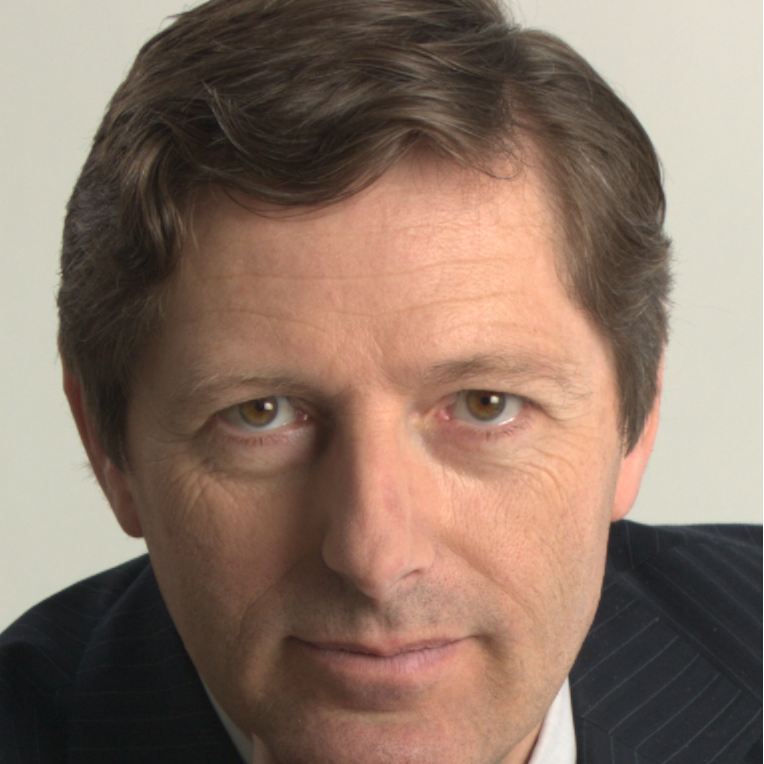
ICEF Steering Committee;
Retired Chair of Energy Systems, Faculty of Process Engineering, Berlin University of Technology;
President of the Board, KSB Energie AG, Berlin
Germany
1995-2018 Professor for Energy Systems at the Institute for Energy Technology, Berlin University of Technology
1982-1995 Post doc researcher and Assistant professor at the Center for Economic Research, Swiss Federal Institute of Technology, Zürich (ETHZ)
1993-1995 Delegate at the Paul Scherer Institute, Villigen (Switzerland) in the group of Prof. Dr. Alexander Wokaun.
1976-1982 Appointment as PhD researcher at the University Muenster/Germany
Energy Systems and Markets, Energy policy, Economics of innovations, evolutionary economics

ICEF Steering Committee;
Delegate of the Consultative Commission for Industrial Change European Economic and Social Committee
Finland
Belgium
PhD in Environmental Politics
Delegate of the Consultative Commission on Industrial Change at European Economic and Social Committee 2016-
Member of the Helsinki City Council 2025-
Member of the European Parliament 1999-2014, 2024
Board member of Finnish Forest Administration, Metsähallitus
– Annual MEP Award of the European Parliament 2009 (Energy)
– Eija-Riitta Korhola (2014): The Rise and Fall of the Kyoto Protocol – Climate Change as a Political Process, Helsinki University
– Eija-Riitta Korhola: The joys and frustrations of an environmental law-maker, European View 2019
– K.Akimoto, J.Arima, M.Babiker, M.Caine, D.Hobbs, E.Korhola, A.Sieminski, N.Stehr, H.Tezuka,
M.Toyoda, M.Williams (2019) Finding a viable path to reducing greenhouse gas emissions, KAPSARC – Prins, G., Cook, M., Green, C., Hulme, M., Korhola, A., Korhola, E-R., Pielke Jr, R., Rayner, S.,
Sawa, A., Sarewitz, D., Stehr, N., & von Storch, H. (2009). How to Get Climate Policy Back on
Course. LSE Mackinder Programme.
Emissions Trading, Energy transfer, Climate politics

ICEF Steering Committee;
Principal Research Scientist at the Center for Radical Transformation, Chiba Institute of Technology;
Senior Visiting Scientist, RIKEN Center for Integrative Medical Sciences (IMS) ;
Professor Emeritus, The University of Tokyo;
Japan
1975 Ph.D. in Chemistry, The University of Tokyo.
1975 – 81: Research Associate, Dept. Chemistry, King’s College, London, U.K.
1981 – 85: Research Fellow/Honorary Lecturer, Dept.Biophysics, ibid.
1985 – 86: Senior Staff Scientist, Institute of Cancer Research, Sutton, U.K. / Visiting Lecturer, King’s College London.
1986 – 92: Associate Professor, Dept. Chemistry, College of Arts and Sciences/ Dept. Biophysics and Biochemistry, Graduate School of Sciences, The University of Tokyo.
1992 – 2012 Professor, Department of Life Sciences, Graduate School of Arts and Sciences/ Dept.
Biochemistry, Graduate School of Sciences, The University of Tokyo.
2003 – 07: Executive Advisor to the President, The University of Tokyo.
2007 – 11: Member of the Administrative Council, The University of Tokyo
2007 – 10: Head of the Science Interpreter Training Programme, The University of Tokyo (supported by JST).
2010- 12: Head of the Science Interpreter Training Programme, Komaba Organization for Educational Excellence, The University of Tokyo
2012 – 2019 Professor, Research Inst. Science & Technology, Tokyo Univ. of Science.
2019 – 2024 Designated Professor, Frontier Research Institute, Chubu University
2024 – 2026 Distinguished Professor, Chubu University
2026 – current Principal Research Scientist at the Center for Radical Transformation, Chiba Institute of Technology
Adjunctive and ex-Council Member of Science Council of Japan
Foreign Member of the Royal Swedish Academy of Science, Sweden
TWAS (the World Academy of Science), Fellow
ISC(International Science Council), Fellow
INGSA-Asia(International Network for Science Advice),Board member
The Club of Rome, Full ember
Saruhashi Prize (1993),
Nissan Science Prize (1994),
Molecular Chirality Award (2003),
Yamazaki-Teiichi Prize (2004),
Honorary Professor of University of Sichuan, China (2006);
Honorary Doctorate, Chalmers University of Technology, Sweden (2009);
Prizes for Science and Technology, The Commendation for Science and Technology by the Minister
of Education, Culture, Sports, Science and Technology (2009).
L’Oreal-UNESCO Women in Science Award 2013.
Mukai Prize (2014),
Prime Minister’s Commendation for Efforts toward the Formation of a Gender-Equal Society (2014).
Academia Prize, The Academic Society of Japan (2015)
340 peer-reviewed publications in Chemistry and Biology, including Nature, Scientific Reports,
Angewandte Chemie, Journal of American Chemical Society.
Chemistry/Molecular and Developmental Biology, Science Communication, Science Policy,
Gender Issues
ICEF Steering Committee;
Former Chair of the Intergovernmental Panel on Climate Change (IPCC);
President, Carbon Free Alliance
Korea
A globally recognized climate energy economist and former Chair of the Intergovernmental Panel on Climate Change (IPCC), Dr. Hoesung Lee served from 2015 to 2023, leading over 1,000 scientists worldwide in the production of the IPCC Sixth Assessment Report. Under his leadership, the IPCC's findings laid the scientific foundation for the Paris Agreement’s first global stocktake and influenced over 140 national carbon neutrality commitments. He is currently president of the Carbon Free Alliance. Dr. Lee has been named to TIME’s 100 Most Influential People and Bloomberg’s 50 global leaders.
<Leadership Roles>
- Chair, Intergovernmental Panel on Climate Change (2015–2023)
- Vice-Chair, IPCC (2008–2015) and Co-Chair, IPCC Working Group III (1992–1996)
- Chair, Asia Development Bank Advisory Board on Climate Change and Sustainable Development (2014-2023)
- President, International Association for Energy Economics (1999)
- President, Korea Energy Economics Institute (1986-1995)
- President, Carbon Free Alliance since 2023
- Special Ambassador for Carbon Free Energy since 2023
<Academic and Professional Appointments>
- Distinguished Fellow, Institute of Energy Economics Japan since 2023
- Distinguished Professor, Korea University Graduate School of Energy and Environment (2010-2022)
- Member, Steering Committee, Innovation for Cool Earth Forum Japan since 2014
- Member, Council, Global Green Growth Institute (2014-2018)
- Member, Board of Directors, Hyundai Corporation (1993-1999)
<Selected Impact Achievements>
- Led the production and release of IPCC Sixth Assessment Report (AR6), providing the key scientific basis for global climate action
- Guided the approval and adoption of IPCC Special Report on Global Warming of 1.5°C (2018), catalyzing global carbon neutrality pledges
- Provided scientific underpinnings for the global stocktake under the Paris Agreement (2023)
- TIME 100 Most Influential People in the World (2019)
- Energy Economist of the Year for 2024 by the Energy Intelligence Forum
- Bloomberg 50: Leaders Defining Global Business in 2021
- Outstanding Contribution to the Profession Award 2021 IAEE
- Korea National Order of Civil Merit – Dongbaek Medal (2023)
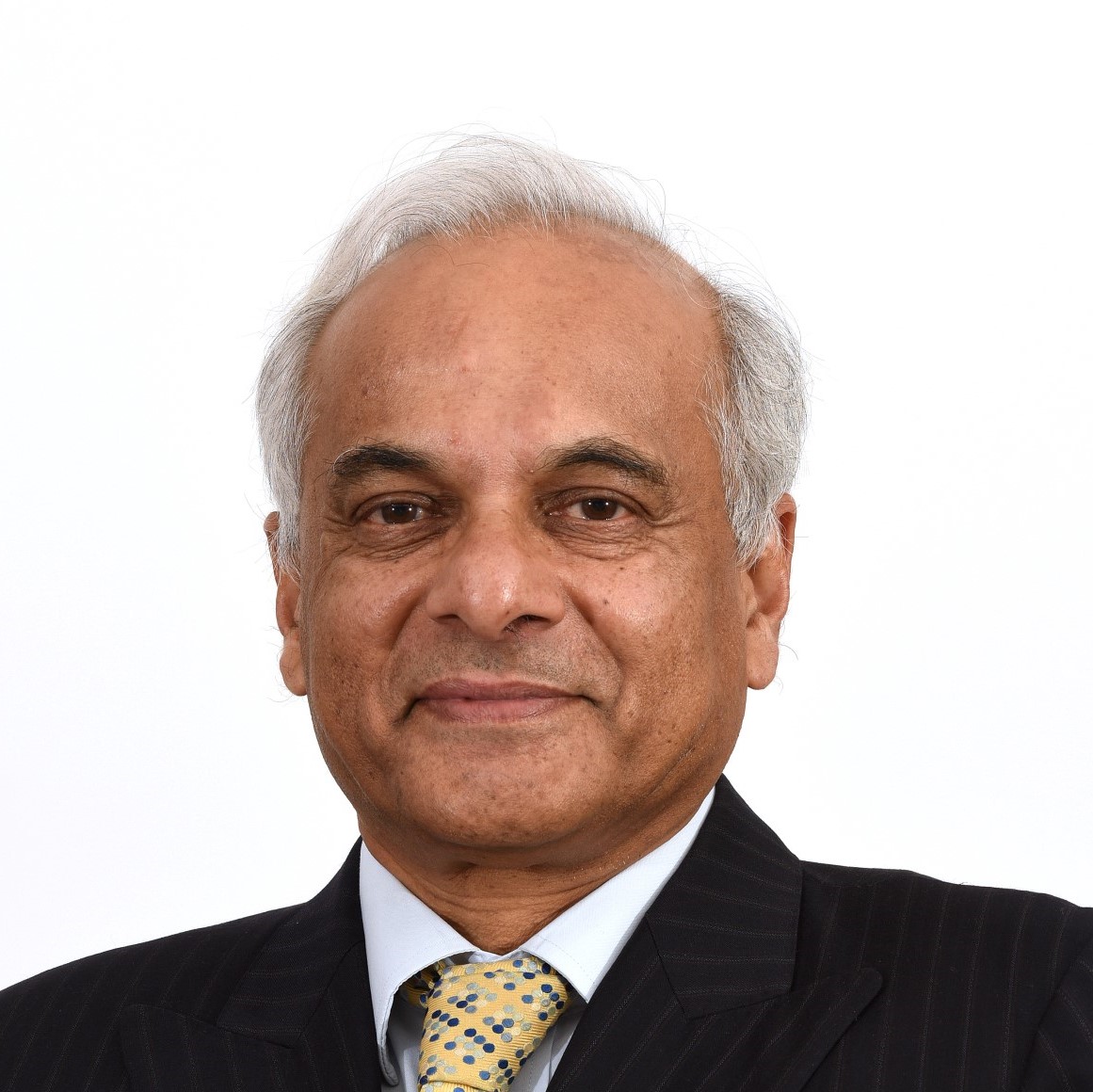
ICEF Steering Committee;
Chairman, Center for Social and Economic Progress (CSEP) Research Foundation
India
Vikram Singh Mehta is currently Chairman of the Think Tank CSEP Research Foundation (Formerly Brookings Institution India Center). Vikram was Executive Chairman of the Think Tank, Brookings Institution India Center and Senior Fellow, Brookings Institution from 2012 to 2020. Prior to that he was Chairman of the Shell Group of Companies in India (1994 – 2012); Chief executive of Shell Markets and Shell Chemicals, Egypt (1992-1993). And Advisor, Strategic Planning to the State owned company, Oil India (1984-1988). He started his career by joining the Indian Administrative Service in 1978. He resigned from the service in 1980. Vikram is non executive Chairman of Indigo Airlines and Mahindra Electric Automotive Company and an independent, non-executive, director of Global Health ltd and Jubilant Foods. He is also on the Global Advisory Board of Macro Advisory partners; and PMB Capital
Vikram was recipient of Asia House’s Businessmen of the year” award for 2010. He also received Asia Centre for Corporate Governance and Sustainability’s Award for “Best Independent Director “in India for 2016.”
Vikram is editor of the books “ The Next Stop: Natural Gas and India’s journey towards a Clean Energy Future “. And “ Anchoring Change : 75 years of Grassroots interventions that made a difference “ . Both books were published by Harper Collins .
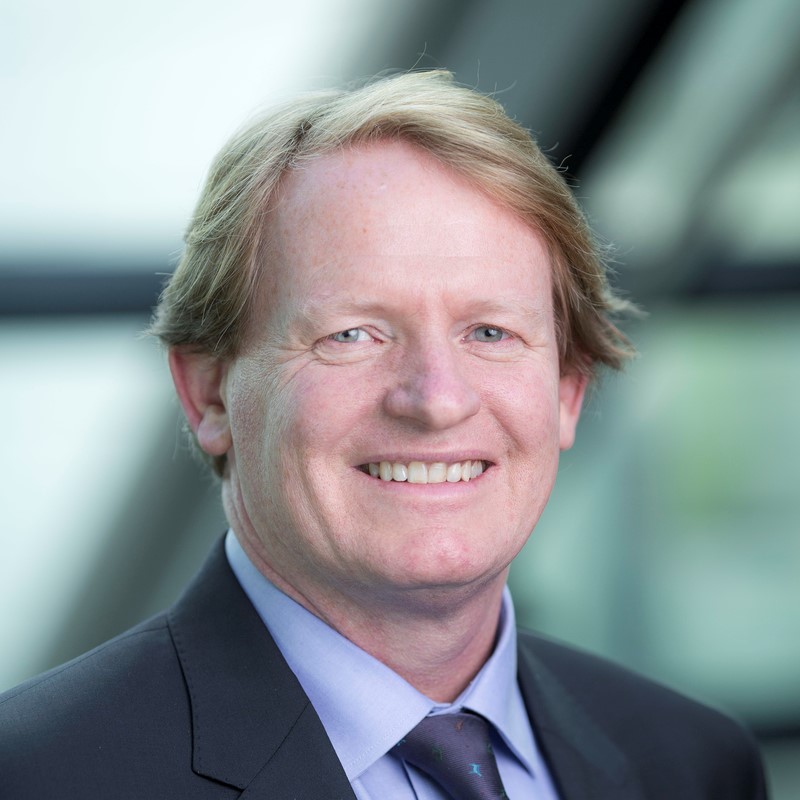
ICEF Steering Committee;
Chief Executive Officer, BloombergNEF
United Kingdom
Jon is CEO of BloombergNEF taking on this role at the end of 2013. BloombergNEF (BNEF) is a strategic research provider covering global commodity markets and the disruptive technologies driving the transition to a low-carbon economy. BNEF assesses pathways for the power, transport, industry, buildings and agriculture sectors to adapt to the energy transition, helping commodity traders, corporate strategists, finance and policy professionals navigate change.
Prior to 2008, Jon spent two decades in capital markets, the first at JPMorgan then Accenture, and the second decade as co-founder and CEO of a capital Markets management consulting firm, based in London and New York.
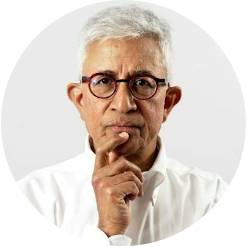
ICEF Steering Committee;
Deputy Chairperson of the Presidential Climate Change Commission;
Former President, International Union for Conservation of Nature and Natural Resources (IUCN)
South Africa
Valli Moosa was born in Johannesburg, South Africa. He is a veteran of the South African Freedom struggle. He worked closely with Nelson Mandela during the settlement talks and served as a negotiator for the ANC. He participated in the drafting of the South African Constitution. He served in President Mandela’s cabinet as Minister of Constitutional Development and in President Mbeki’s government as Environment Minister. He joined the corporate sector in 2004 and currently serves on the board of Sappi Ltd. He has served on the boards of Anglo Platinum, Eskom and Sanlam. Has served as a facilitator in the global climate change negotiation’s for a number of years. He previously served as President of the IUCN (International Union for the Conservation of Nature), Chairman of the UN Commission on Sustainable Development and as the Chairman of WWF(SA). He is the Deputy Chairperson of the Presidential Climate Change Commission, chaired by President Ramaphosa.
ICEF Steering Committee;
Vice Chair of the Group of Chief Scientific Advisors (GCSA) to the European Commission;
Honorary and Emeritus Scholar, International Institute for Applied Systems Analysis (IIASA);
Emeritus Professor of Energy Economics, Vienna University of Technology (TU Wien)
Austria
Serbia
Nebojsa Nakicenovic is the Deputy Chair of the Group of Chief Scientific Advisors to the European Commission, Distinguished Emeritus and Honorary Scholar, and was the Deputy Director General and Acting Director General of the International Institute for Applies Systems Analyses IIASA), and a tenured Professor of Energy Economics at Vienna Technology University.
Among other positions, he is the Director of The World In 2050 (www.TWI2050.org), Fellow of the World Academy of Art and Science, of International Science Council, and of the Luohan Academy, he is a Member of the Academia Europaea, the Montenegrin Academy of Arts and Sciences, the Earth League, the Earth Commission, the Multi-stakeholder Technical Group of Sustainable Development Goal 7, Scientific Advisory Boards of the Potsdam Institute for Climate Impact Research, Fondazione Eni Enrico Mattei, and Steering Committee of the Renewable Energy Policy Network for the 21st Century. He serves on the Editorial Boards of ten peer-reviewed scientific journals.
Dr. Nakicenovic’s research interests include patterns of technological change including the evolution of energy, mobility, digital technologies, economic development, and climate change. Dr. Nakicenovic holds bachelor and master degrees in economics and computer science from Princeton University and the University of Vienna, where he also completed his Ph.D., and holds Honoris Causa Ph.D. degree in engineering from the Russian Academy of Sciences.
Google Scholar documents list of 838 publications by Dr. Nebojsa Nakicenovic with some 66 thousand citations.
Dr. Nakicenovic is a recipient of the Austrian Grand Decoration in Silver (Österreichisches Ehrenzeichen für Wissenschaft und Kunst); with a number of scientists of the 2007 Nobel Peace Prize for the research contribution to the IPCC (Intergovernmental Panel on Climate Change); and with a number of scientists of the 2005 Sheikh Zayed (former UAE President) Environmental Award for the research contribution to the Millennium Ecosystem Assessment under the personal leadership of Kofi Annan, UN Secretary-General.
He is Fellow of the World Academy of Art and Science, of the International Science Council, and Luohan Academy, and Member of the Academia Europaea Academia Europaea, Montenegrin Academy of Sciences and Arts, and the International Academy for Systems and Cybernetic Sciences (IASCYS)
Dynamics of technological change including the evolution of energy, mobility, digital technologies;
economic development, and climate and environmental change.
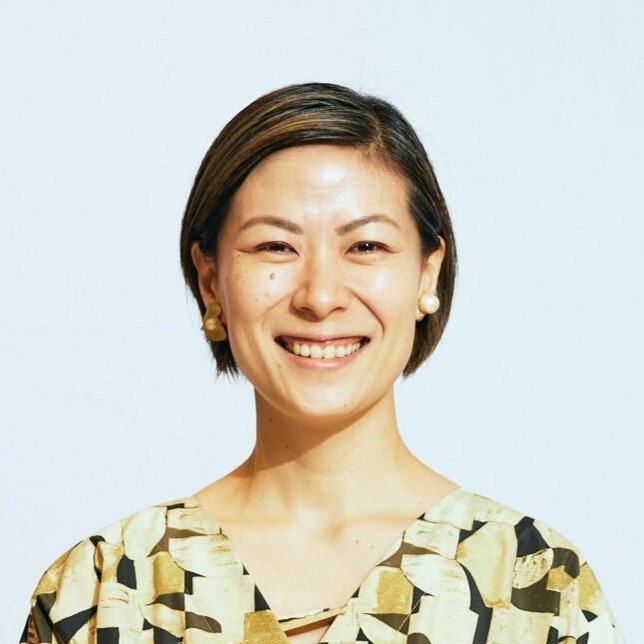
ICEF Steering Committee;
Representative Director, Zero Waste Japan
Co-Founder, Green innovation
Director & CSO, ECOMMIT Co.,Ltd.
Japan
2015-2020: Chair of the Board of Directors, Zero Waste Academy, Japan – served to spread the zero waste community building concepts all over the world and showcased how a small town could be a model of change to the world.
Since 2020, founded Zero Waste Japan – delivers planning and implementation of zero waste policy and projects to local governments, communities and businesses in Japan and elsewhere.
Co-Founded Green innovation in 2021 to develop more than 1,000 “green innovators” to tackle climate change by 2030. Delivering “Green Innovator Academy” where educating students and young professionals to foster Green innovators to deliver Green transformation.
Joined ECOMMIT Co.,Ltd. in 2023 as Director & Chief Sustainability Officer to contribute in building circular economy from business field.
Global Shaper, World Economic Forum 2012 to 2020.
Co-Chair of the World Economic Forum Annual Meeting 2019.
World Economic Forum Future Council on Japan (2020).
World Economic Forum Global Shapers Community Foundations Board (2020-2021).
Master, Kyoto University Graduate School of Global Environmental Studies.
Nikkei Women of the Year 2022
Zero Waste and Circular Economy policy implementation
Community-based policy making
Cross-sectoral multi-stakeholder policy making
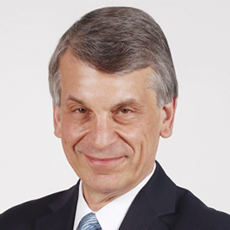
ICEF Steering Committee;
Inaugural Fellow, Center on Global Energy Policy, Columbia University;
Co-Director, Energy and Environment Concentration, School of International and Public Affairs, Columbia University
United States of America
David Sandalow is the Inaugural Fellow at the Center on Global Energy Policy (CGEP) and Co- Director of the Energy and Environment Concentration at the School of International and Public Affairs at Columbia University. He launched and directs CGEP’s U.S.-China Program and wrote the Guide to Chinese Climate Policy. Mr. Sandalow chairs the ICEF Innovation Roadmap Project, which has produced roadmaps on artificial intelligence and climate mitigation, low-carbon ammonia, biomass carbon removal and storage (BiCRS), industrial decarbonization and direct air capture, among other topics. He and a team of co-authors are currently at work on an ICEF roadmap on sustainable data centers. Mr. Sandalow has served in senior positions at the White House, State Department and U.S. Department of Energy.
energy and climate policy
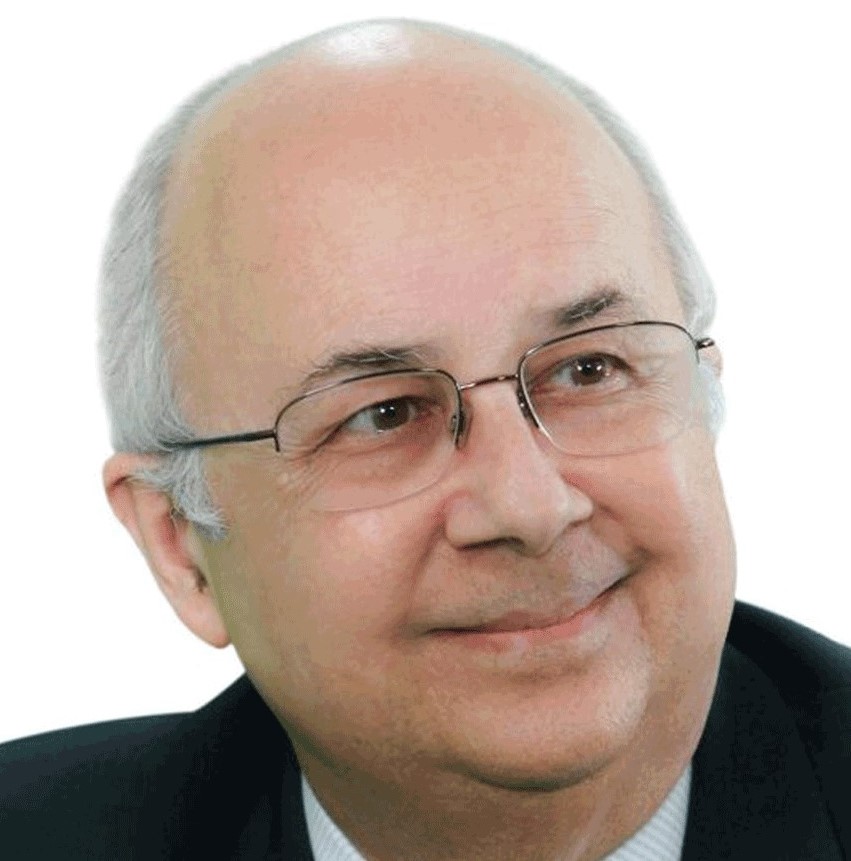
ICEF Steering Committee;
Co-Chair of the Board of Nizami Ganjavi International Center (NGIC);
Emeritus Librarian of Alexandria;
Former VP of the World Bank
Egypt
Co-Chair of the Board of Nizami Ganjavi International Center (NGIC), Emeritus Librarian of Alexandria, Former VP of the World Bank
Ismail Serageldin is the Emeritus Librarian of Alexandria, and was the Founding Director of the Bibliotheca Alexandrina, the New Library of Alexandria in Egypt (2001 – 2017).
Before that he was the Vice-President of the World Bank (1993-2000).
He has received many awards including the Order of the Rising Sun of Japan. He is a knight of the French Legion d’Honneur and a Commander of Arts and Letters of the French
Republic. He has lectured widely, published more than 100 books and 500 articles, and has received 40 honorary doctorates from all over the world.

ICEF Steering Committee;
Distinguished Professor Emeritus, University of Manitoba
Canada
University professor
Author of 50 books
Consultant
Fellow of the Royal Society (Science Academy) of Canada
Member of the Order of Canada
50 books on energy, environment, history of technical advances, food and innovation
500 papers
interdisciplinary energy studies
history of energy development
biosphere and global biogeochemical cycles
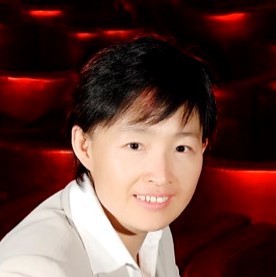
ICEF Steering Committee;
China /Asia Director, Office of Jeremy Rifkin;
Chair, Governing Council, Asia Pacific Water Forum
United States of America
China
Positions Formerly Held:
Greater China Director and Chair of the China Board, The Climate Group
China CEO, ENSR
Director, China Studies, World Resources Institute
Editor, English Edition, China Environment News
Advisory Positions Formerly Held:
President and Chair, and co-founder, Professional Association for China’s Environment/PACE
Member, Global Future Council of Energy, World Economic Forum
Chair, Global Agenda Council on Climate Change, World Economic Forum
Member, Global Agenda Council of Global Governance for Sustainable Development, World
Economic Forum
Founder and Executive Secretary, the Climate Fund, All-China Returned Overseas Chinese
Philanthropy Fund
Founder and Executive Director, the Million Forest Fund, China Greening Foundation
Women Leader(s): 2019, Time – 15 global women leaders to fight climate change
Areas of expertise
A specialist and policy analyst of China’s sustainability
An advisor to governments and corporations on sustainability strategy and innovation
A strategist of public and private engagement for clean energy transformation and climate solutions
An advocate for policy change and practice leadership
A public voice for positive changes and innovation
A current affairs and policy commentator on China’s clean transition
A social entrepreneur and innovator for sustainability
An award winner for her contributions to China’s decarbonization
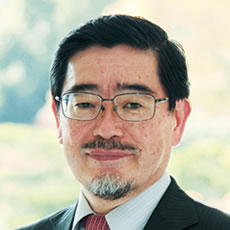
ICEF Steering Committee;
President, Research Institute of Innovative Technology for the Earth (RITE);
Professor Emeritus, The University of Tokyo
Japan
Dr. Kenji Yamaji
President, Research Institute of Innovative Technology for the Earth (RITE);
Professor Emeritus, The University of Tokyo
Dr. Kenji Yamaji graduated from The University of Tokyo and was awarded a degree for Doctor of Engineering.
In 1977, he joined the Central Research Institute of Electric Power Industry (CRIEPI). He was appointed Professor, in the Department of Electrical Engineering and Information Systems at the University of Tokyo in 1994 and Professor Emeritus in 2010. Dr. Yamaji was a Council Member of the Science Council of Japan (SCJ), a Research Supervisor of the Japan Science and Technology Agency (JST). He served as President of the Japan Institute of Energy and the President of the Japan Society of Energy and Resources. Dr. Yamaji’s main academic field is Energy Systems Engineering. Within his field, he has published over 100 peer-reviewed academic papers, as well as published around 100 books, including many single-authored books. He also currently serves in many advisory bodies on energy and environmental policy for Japanese government. He has contributed to Intergovernmental Panel on Climate Change (IPCC) as a lead author for the 3rd and 4th Assessment Reports of WG3.